Is Indian Vegetarian Diet Low in Protein?
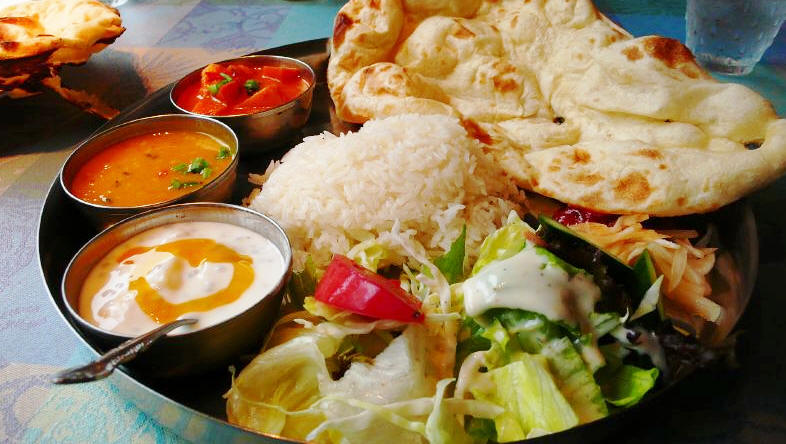
A big number of Indians are vegetarians. As Indian diaspora has spread
around the globe, many have carried their culture including vegetarianism
with them. Atlanta has a high Indian population and many of them are
vegetarians. We see vegetarian restaurants and grocery stores all around
greater Atlanta. Many Hindus, Buddhists, Jains eat vegetarian food which
includes all plant based food, along with milk and honey, and devoid of any
meat, fish or eggs. People choose their food for religious, spiritual,
cultural, communal, and for health reasons. It also depends on the season
and availability. Traditional diets all over the world are built around
ingredients which are local and readily available.
In the beginning all human were hunters and gatherers. People foraged wild
fruits, berries and meat of wild animals. The Last Ice Age also called the
Last Glacial Maximum ended around 11,000 years ago. As the glacial ice
retreated to the polar caps, this opened up vast acres of land for grains to
flourish. The domestication of grains heralded agriculture around 10,000
years ago in the Fertile Crescent (presently Iraq, Syria, Lebanon, Jordan,
Israel, and Palestine, Egypt). From there agriculture travelled westwards to
Europe and eastwards to India around 9000 years ago. It was around that time
cow were domesticated, and milk entered the Indian diet. Vegetarianism
became main-stream in India when Emperor Asoka decreed against animal
slaughter in 250BC. Next major change occurred after Columbus discovered
Americas. Potatoes, tomatoes, chilies, pumpkin, squash, and Beans (like
Rajma) entered the Indian cuisine. They were brought to India by the
Portuguese from the new worlds (Americas) around 1500-1600 AD during the
reign of Mughal emperor Jahangir. The process called the Columbian exchange
also added many fruits like guava, grape, pineapple, papaya and many others
to India. Now all these new world food have become an accepted and integral
part of Indian diet over the last 400 years, and their non-Indian origin is
lost to most. And, it remains unclear which local Indian vegetables and food
these new world crops replaced and what was their nutrient value.
Proteins are the building blocks of life. They are important for growth and
repair. Proteins also act as enzymes, hormones, and neurotransmitters.
Protein deficiency can make one tired, sick and stunted. The Institute of
Medicine's Recommended Dietary Allowance (RDA) for protein is 0.8 grams per
kg body weight. This means an adult who weighs 70 kilograms needs at least
56 grams of protein each day. The RDA for pregnant and nursing women is
higher. For athletes, it is 2 gram per kg body weight. A well planned
vegetarian diet can supply the required number of proteins using high
protein food like milk, beans, nuts, and lentils. However, one thing is to
be noted. Not all protein is created equal. The body has to break down the
protein from food into amino acids, which it then uses to build its own
proteins. There are nine amino acids humans cannot synthesize which are
phenylalanine, valine, threonine, tryptophan, methionine, leucine,
isoleucine, lysine, and histidine. Animal protein contains all the essential
amino acids, but plant protein does not. They need to be combined to make
the protein complete like eating rice with lentils or rice and beans. Milk
is an excellent source for vegetarian protein. However, most adults are
lactose intolerant. They can have yoghurt, curd, kefir, cheese, paneer which
are all high sources of protein. Other high protein sources are nuts like
almonds, cashews, walnuts, and peanuts.
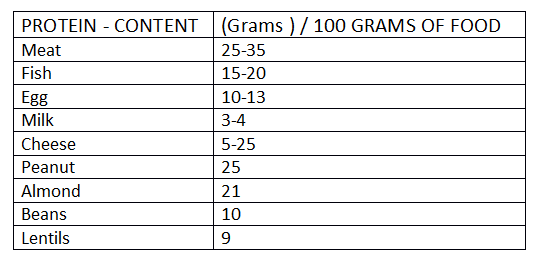
There is an important distinction between vegetarian and vegan diets. The
vegetarian diet with copious amount of milk based products can, and has
historically sustained healthy population. Vegan diet excludes milk, in
addition to other animal products. Vegan diet will lead to deficiency in
Vitamin B12, Zinc, and Iron unless chemical supplementation is done. With
advent of modern pharmaceutics, dietary supplementation has become readily
available. Many take multivitamins and mineral supplements. However one has
to cautious about supplements. Their quality can vary as they are not
regulated by the FDA. Multivitamins in excess has their own health hazards.
There are Protein powder supplements made from whey protein derived from
milk. Then there are plant based protein powders. However most are loaded
with soy. Soy in excess can cause hormonal problems including low
testosterone and thyroid deficiencies. In summary, plant derived food
contain less protein than animal derived food. Standard Indian vegetarian
diet is lower in protein content. However, a careful planned vegetarian meal
containing high protein sources like milk, bean, nuts, and lentils can
provide the required dietary allowance of protein for most of the
population.