FIVE FOODS TO AVOID FOR CHILDREN WITH AUTISM
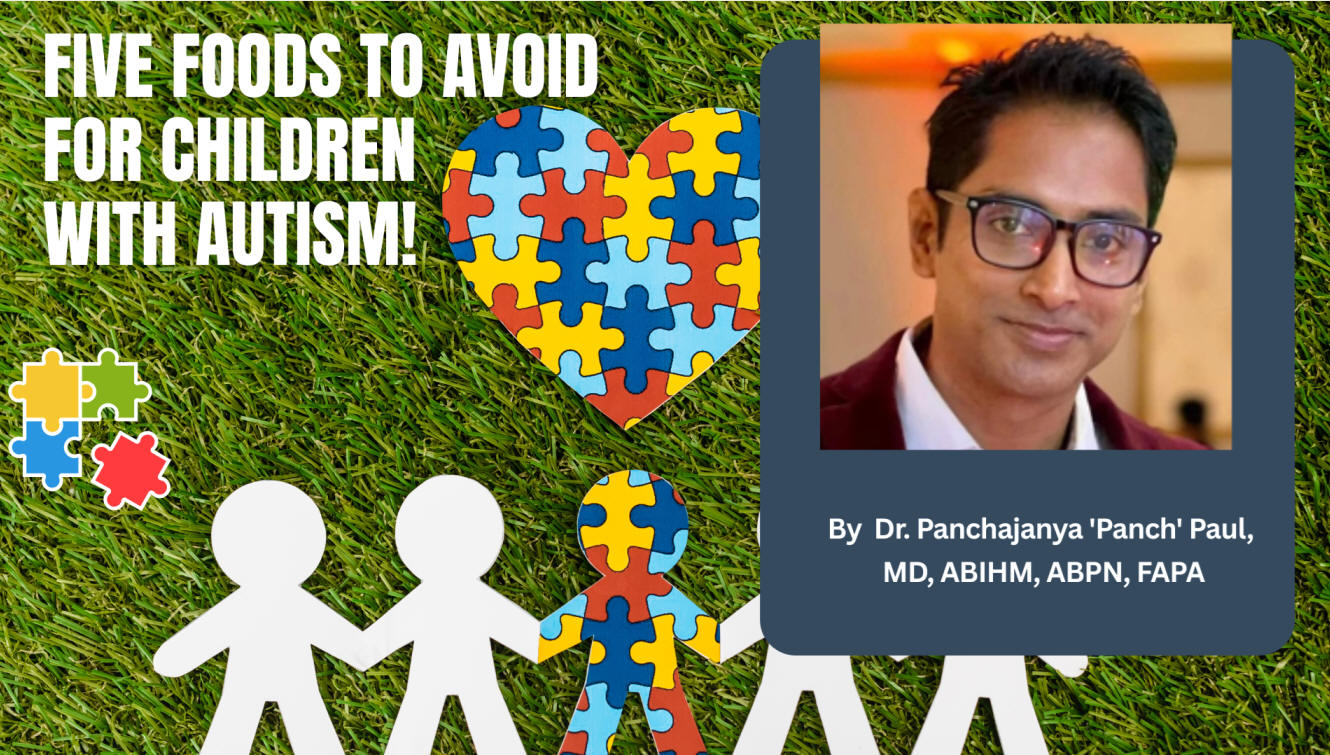
By Dr.Panchajanya Paul, MD
Autism is increasingly common, affecting about one in 31
children in the United States. Children with autism have difficulty expressing
feelings, leading to frustration and behaviors like aggression, shouting, or
biting, as well as issues with focus, anxiety, and sensory processing. As a
child psychiatrist, I often meet parents who bring children in for unmanageable
behaviors, sometimes as young as 6 years old, who are already on multiple
psychiatric medications. Two medications, Risperidone and Aripiprazole, are
approved for aggression in Autism but have serious long-term side effects like
weight gain, high blood pressure, and hormonal changes. To address these
challenges, it's important to consider additional ways to support children with
autism. Here are five foods I gently encourage parents to avoid to support their
child's well-being. Let's begin with the first food on the list.
1.
SUGAR: Sugar can negatively affect brain function and behavior. Foods high in
simple sugars--such as cookies, candy, muffins, cake, and lozenges--can cause
blood glucose fluctuations, leading to crankiness and irritability in children.
Processed foods often contain high fructose corn syrup, linked to health
concerns like obesity and diabetes. Instead, choose whole fruits (apples,
bananas, pineapples, grapes, oranges) for natural sugar and fiber that support a
stable mood. For sweet treats, opt for unsweetened dried fruits such as dates,
mangoes, apricots, or figs. When cooking, replace refined sugars with more
natural options like honey, jaggery, or pure maple syrup, but use these in
moderation as they still contain sugars. Moving on from sugar, another common
ingredient often at the center of concern is wheat.
2. WHEAT: Many
children and adults are sensitive to gluten found in wheat, barley, and related
grains. Gluten is difficult to digest and may affect behavior, especially in
children with autism, possibly causing irritability or hyperactivity. Common
sources include muffins, bread, pasta, roti, and pizza. Choose gluten-free
alternatives, which are available in many stores but often cost more. After
considering wheat, it's important to be aware of artificial ingredients found in
many processed foods, such as color dyes.
3. COLOR DYES: Be cautious of
food color dyes. The US allows many artificial colors, including Red 40, Yellow
5, Yellow 6, Blue 1, and Blue 2, which some studies link to hyperactivity or
behavioral symptoms in sensitive children. Read labels and avoid these dyes.
Choose foods with fewer ingredients, as they are often less processed. Many
kids' foods--such as cereals, candies, soda, snacks, and cookies--contain colors
that make them more appealing but may contribute to junk food addiction or
behavioral issues. In addition to color dyes, the types of oils used in food
preparation can also play a significant role.
4. SEED OILS: Most
processed foods are cooked in seed oils such as peanut, canola, soybean,
cottonseed, and sunflower oils, all of which are high in omega-6 fatty acids,
which may affect neurological function and behavior, especially in children with
autism. Instead, use fruit oils such as coconut, avocado, or olive oil for
cooking. Healthy animal fat options include grass-fed butter, ghee, or tallow.
When shopping, look for labels that specify extra virgin or cold-pressed oils
for the highest quality. Sensory issues can make it hard for children with
special needs to get enough healthy fats, leading to deficiencies in vitamins A,
D, E, and K. Cooking with saturated fats like coconut oil or ghee is an easy way
to support fat intake for children with autism, supporting brain and neuron
health, and possibly stabilizing neurological activity. Finally, beyond oils,
milk, a dietary staple, warrants careful consideration.
5. MILK: Whole
milk is rich in protein and fat, which is healthy for children's growth.
However, the milk protein lactose can be a concern for children with special
needs, as many are sensitive or intolerant to it. Commercial pasteurized cow's
milk, especially from grain-fed cows, may make digestion difficult and
contribute to behavioral concerns in sensitive children. Replace dairy with
other protein sources, such as eggs, fish, or meat. Alternatively, raw A2 cow's
milk from grassfed cows may be easier to digest and supports brain and
behavioral health due to probiotics, omega-3s, and healthy fats. Having outlined
the key foods to avoid, let's address some common concerns about food
restrictions for children with autism.
After considering foods to
avoid, it's important to remember that many people argue against restricting any
foods, noting that many individuals can consume diverse diets and maintain good
health. Neurotypical children benefit from a varied diet, which can reduce the
impact of the five foods listed. However, autistic children often have selective
diets due to sensory issues, making allergies and inflammation more likely over
time. Additionally, many have a weaker or leaky gut, increasing vulnerability to
food toxins that can cross into the bloodstream. If you suspect a leaky gut,
feed your child bone broth to help heal the gut lining, and add fermented foods
like sauerkraut or kefir for probiotics.
Looking beyond food, it is
crucial to recognize that autism is a lifelong condition. There is currently no
medication for the core symptoms of autism, such as speech delay, intellectual
delay, sensory issues, and lack of socialization. But the behavioral problems we
see in children with autism, like violence, aggression, and hyperactivity, are
not permanent. Behavioral challenges can be managed through dietary changes,
environmental modifications, and applied behavioral therapy. Food changes will
take time to implement, as special needs children often prefer routine and may
initially resist any change. Be patient, stay persistent, and introduce one
change at a time. Many families notice positive shifts within weeks. Natural
food items may be more expensive, but buying them in bulk from big stores or
directly from farmers can help make them more economical. However, dietary
changes may not be enough for some children, especially those with severe autism
or additional conditions. If medication is still needed, please remember this is
nothing to feel discouraged about. Any positive food changes can still help
reduce irritability and may lower the medication doses required to stabilize
behavior.